
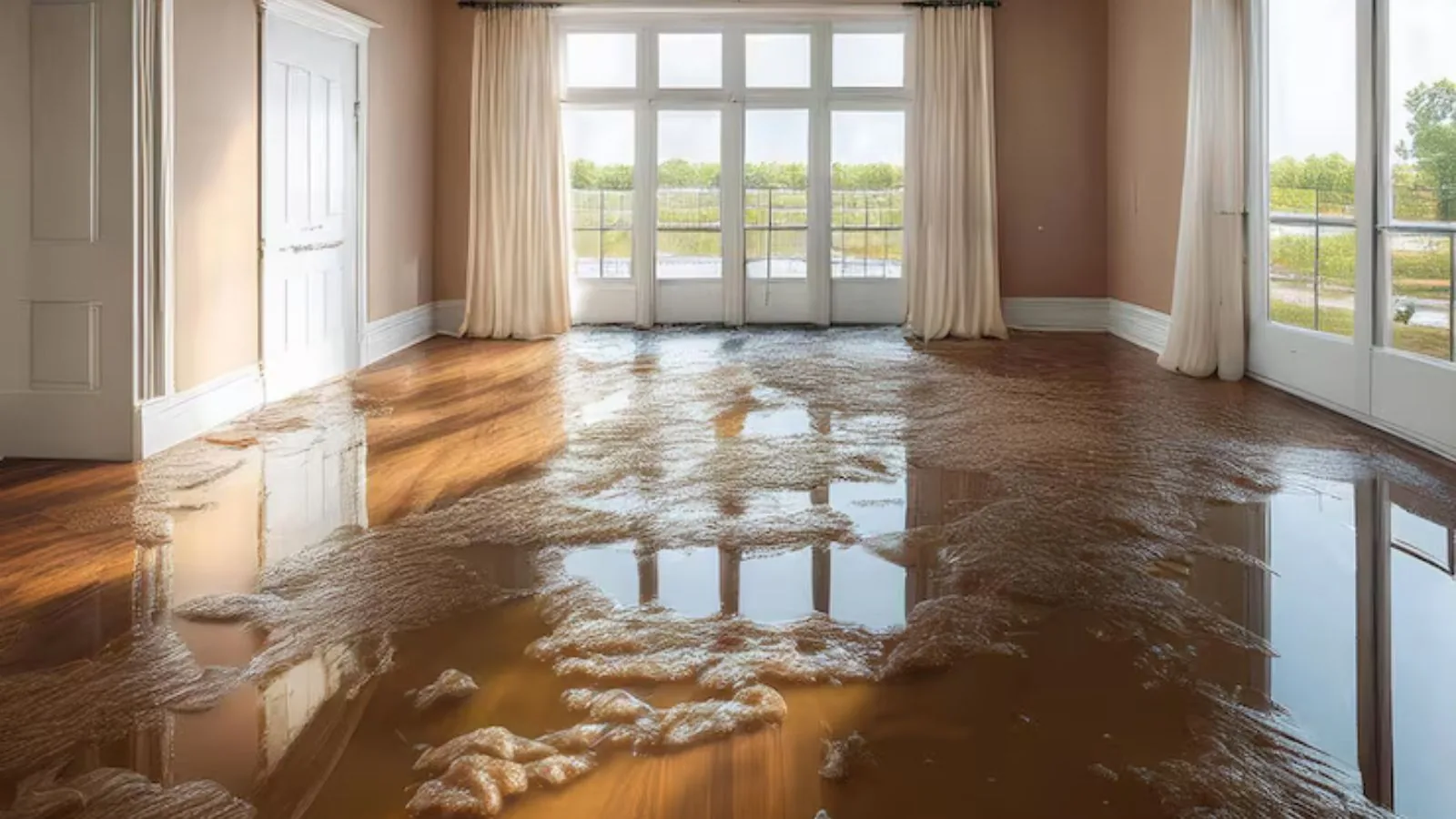
Not every water stain is a new problem. Some are rings from a leak fixed years ago, and some are the first sign of a leak that is still running. Telling them apart matters for repair, for an insurance claim and for a home purchase, because old and new damage are treated differently.
A moisture meter is the final judge, but your eyes and nose give useful hints. This guide describes the signs of fresh damage and the signs of long-term damage.
Signs of a recent leak
- A damp or cold wall or ceiling that feels wet to the touch.
- A stain that is a single shade of brown with soft edges.
- Dripping, bubbling paint or a sagging ceiling.
- Swelling that is fresh, with no cracking or peeling.
- A smell of wet drywall or damp carpet but no deep mustiness.
- A water bill that has recently jumped.
Signs of long-term or repeated moisture
| Sign | What it suggests |
|---|---|
| Several rings in a stain, like tree rings | Repeated wetting and drying over time. |
| Dark spots or fuzzy growth at the stain edge | Moisture present long enough for growth. |
| Cracked, peeling paint with a dry, brittle surface | An older leak that has since dried. |
| Soft, crumbling drywall or rotted trim | Long-term moisture. |
| Rust on nails, fasteners or pipes | Extended exposure to moisture. |
| Persistent musty smell | Hidden damp materials. |
A dry, old stain does not mean no problem. It may be dry now because the leak only happens during heavy rain or when the air conditioner runs. If a ring grows after rain, there is an active source.
Using a meter and thermal camera
A moisture meter reads whether the material is wet today. A thermal camera shows temperature differences that suggest damp areas behind surfaces. Neither tells you the date of the leak, but together they show whether water is present now and how far it has spread. A dry stain with normal readings is a past event. A stain with high readings is a live one.
Why age matters for a claim or a sale
Insurers distinguish sudden losses from long-term seepage, and a policy may cover one and exclude the other. Buyers and inspectors also ask about past water damage, and a sale may require disclosure of known problems. Documentation of when a leak was found and when it was repaired makes both easier.
A local note for Edgewater homeowners
The City of Edgewater lists localized flooding from low land, heavy short rain and poor drainage among the causes of flooding in its flood-hazard information. Properties that take on water after rain may show repeating stains that follow the weather, so a pattern across storms points to a drainage or envelope problem and not a one-time leak.
If you are buying a home in a flood zone, the city points residents to its flood map, FEMA map tools and the Building Department to check a property's zone. Ask for any past claims or repairs before you close.
A short checklist for buyers walking through a house
- Look at ceilings, especially below bathrooms, near air handlers and at the roofline.
- Open cabinet doors under sinks and check for stains, rust and soft particleboard.
- Look inside closets on exterior walls.
- Check the garage and utility room floor for staining near the water heater.
- Smell the air in closed rooms.
- Ask for a moisture reading in any area that looks suspect.
Take photos of anything unusual and ask the seller for the repair history. A fresh coat of paint on a ceiling or wall is not a problem on its own, but a single patch painted brighter than the rest deserves a question.
Why paint and patching can mislead
A stain that has been primed and painted often looks fine for months, then shows through again when humidity rises or the source returns.
Fresh patches in drywall, paint that does not quite match and a ceiling with a perfectly even coat in one corner all suggest that someone has dealt with water before. That is not a problem by itself. What matters is whether the cause was fixed and whether moisture readings behind the patch are normal. Ask for the repair record, and have an inspector run a meter across the area when the answer is vague.
Dates matter more than looks. A repair invoice, a photograph with a timestamp or a note from an earlier inspection can prove when a leak happened, which is often what an insurer or a buyer wants to know.
Standards and sources
Moisture readings and water classes follow the ANSI/IICRC S500 standard, and the flood-hazard information comes from the City of Edgewater.
For ceilings that stain after rain, see ceiling water damage repair. For walls with long-term moisture, wall and drywall water damage repair describes the options. We serve Edgewater along with Scottsmoor and Mims.
Common questions
Yes, if moisture returns. A stain that grows after rain suggests an active source.
Touch alone is unreliable. A moisture meter gives a reading, and a thermal camera shows temperature differences.
It can. Many policies treat long-term seepage differently from sudden losses.
Often yes. Ask your agent or attorney about disclosure rules.
Not always, but they deserve a look. A licensed assessor can identify growth.