
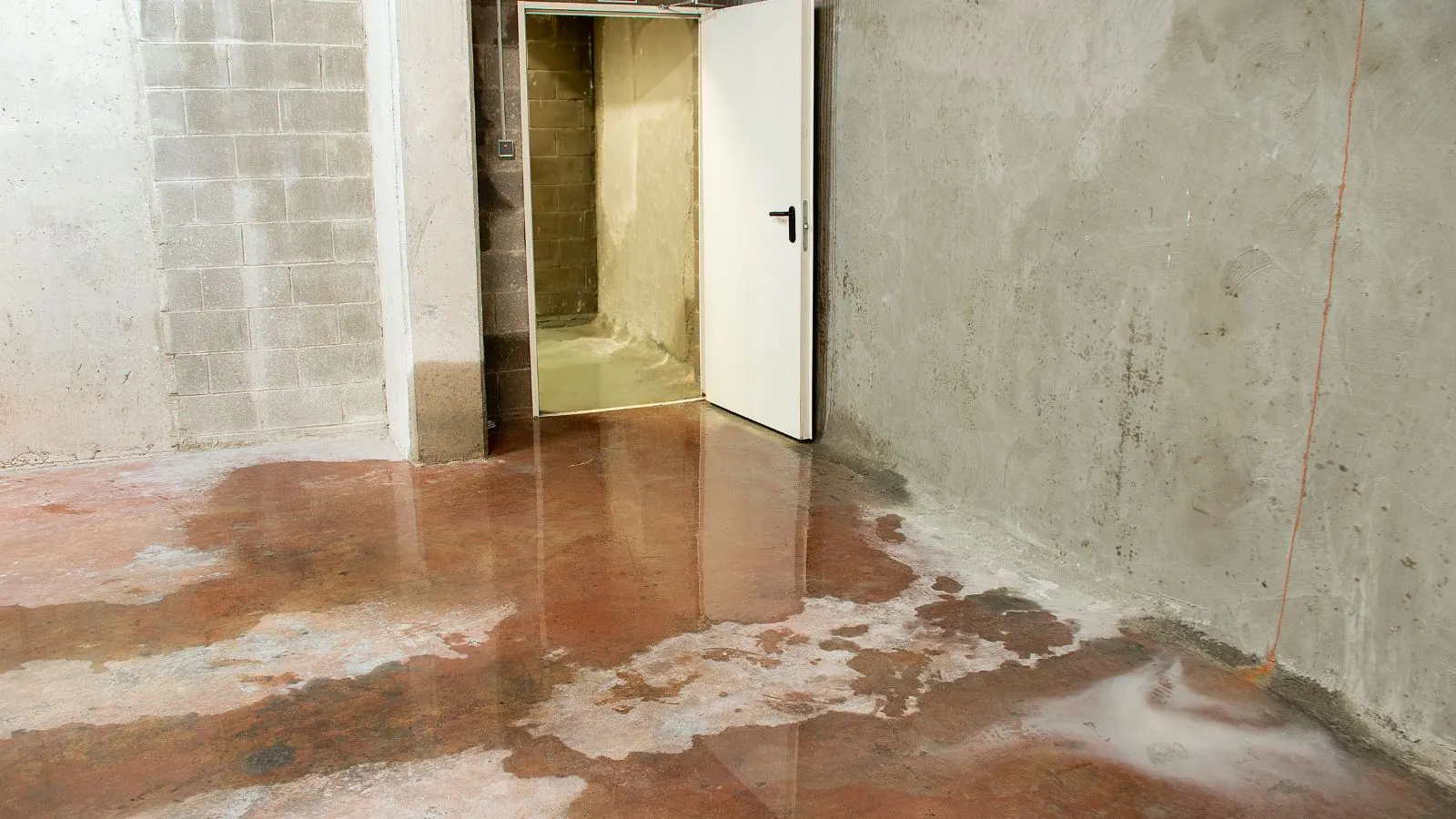
Water in a below-grade space in an Edgewater property is an emergency and our line is answered 24/7. Stay out of the water if outlets or the panel are nearby, turn off power to the space if it is safe to reach the breaker, and move belongings upward. Do not try to pump it out faster than the ground can allow.
Basement water damage cleanup is the pumping, drying and cleaning of lower levels, cellars, sunken garages and below-grade utility rooms after water enters. Full basements are less common in coastal Florida because of the shallow water table, so this page also covers lower-level spaces that sit under grade.
How water enters below-grade spaces
Water gets in through floor cracks, wall joints, window wells, stairwell drains and failed pumps. After heavy rain, groundwater rises and a lower level can fill from beneath. The City of Edgewater describes localized flooding from low land, heavy short rains and poor drainage, and land near the Indian River Lagoon is more susceptible.
A sump pump may keep up with seepage but not a storm. If the power fails, so does the pump. That is a common reason below-grade rooms flood during a storm.
Emergency pumping and cleanup: what it involves
Pump and clear
Water is pumped out at a controlled rate, since removing it too fast from saturated ground can stress walls.
Remove and clean
Wet drywall, insulation and carpet are removed. Hard surfaces are cleaned and treated.
Dry and check
Dehumidifiers and air movers dry the space and readings are logged.
Safety checklist for lower levels
Do not enter water that touches electrical outlets or equipment.
Be careful on wet stairs and concrete.
Do not use gas or gasoline pumps indoors since exhaust can build up.
Never mix cleaning chemicals.
Restoration is not waterproofing. Drying and cleaning restore the space after water gets in, but they do not stop it from getting in again. A waterproofing, grading or drainage contractor handles that, and we can tell you what we saw during the job. For how drying works, see structural drying. For ground-level contamination, see flood damage cleanup.
What affects the price
Scope and price are explained before work starts. They depend on:
- The depth of the water and the area affected.
- Whether the water is clean or contaminated.
- Materials that must be removed.
- Access, including stairs.
- Drying time.
Repairs that stop water from entering are a separate contractor's work.
Sump pumps, backup power and what to ask your contractor
A lower level that has flooded once is likely to flood again unless the cause is addressed. Ask whether a sump pump is present, whether it has a battery backup and whether the discharge line runs away from the foundation. If the answers are no, a drainage or waterproofing contractor can advise, and the restoration crew can show them where water entered and how high it rose.
After the water is out, keep a record of the highest waterline you saw. Contractors who later look at drainage or waterproofing will want that number, and so will your adjuster.
Our line is answered 24/7, including nights and weekends, with same-day response when available. We serve Scottsmoor and Mims as well. Florida Statute 627.70132 sets a one-year notice window for a new property claim. To talk to a dispatcher now, call (386) 699-0141.
Questions about basement water damage in Edgewater
Yes. The line is answered 24/7, including nights and weekends, and we offer same-day response when available. Stay out of any water touching electrical equipment.
Full basements are less common near the coast because of the shallow water table, but some buildings have lower levels, cellars or sunken garages. We treat those as below-grade spaces.
No. Restoration cleans and dries after water enters. Stopping water from entering is a job for a waterproofing or drainage contractor.
Draining a saturated lower level too fast can stress walls and floors because of the pressure from wet ground. A controlled rate is safer.
Rising groundwater and flood are typically separate from standard homeowners coverage. Check your policy.