
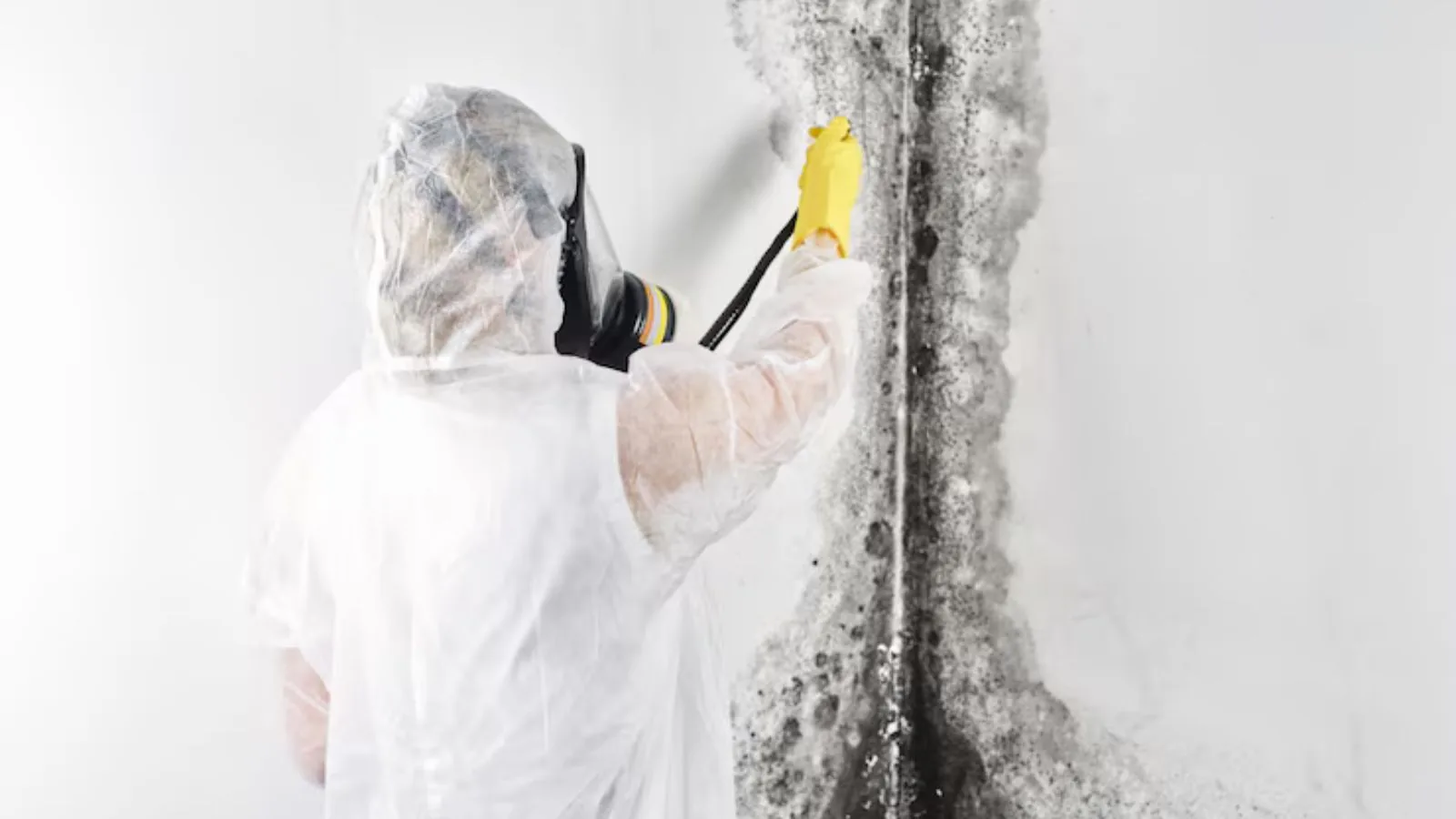
When mold turns up during an inspection, a home sale can stall. Buyers want reassurance, lenders may ask for documentation and sellers want to move forward. The document that usually settles it is a clearance report from an independent assessor.
This guide explains what clearance testing is, how Florida's rules keep it independent and how to prepare your paperwork so a sale does not stall for longer than it has to.
What clearance testing is
Clearance testing is the check after remediation that confirms the work met the protocol. An assessor inspects the area, may collect air or surface samples and compares the cleaned space to a reference, often the outdoor air or an unaffected room. The report says whether the protocol was met on the day of testing.
Who can do it in Florida
Florida licenses mold assessors and remediators separately under Chapter 468, Part XVI of the Florida Statutes and Rule 61-31 of the Florida Administrative Code, administered by the Department of Business and Professional Regulation.
Section 468.8419 bars a licensed assessor from remediating a structure it assessed within the previous 12 months and bars a remediator from assessing one it remediated within that period. For a home sale, this separation makes the clearance report more credible, since the person who checked the work did not do it.
The sequence for a sale
Assess
A licensed assessor inspects, finds the moisture source and writes a protocol.
Remediate
A licensed remediator removes affected materials and cleans the area under containment.
Clear
The assessor, or another independent assessor, tests the area and issues a clearance report.
| Document | Why a buyer or lender wants it |
|---|---|
| Assessor's protocol | Shows what was found and what was to be done. |
| Remediation invoice and scope | Shows what was removed and cleaned. |
| Clearance report | Shows the protocol was met. |
| Moisture and repair records | Shows the moisture source was fixed. |
| Repair permits if required | Shows rebuilding was done to code. |
What clearance does not do
A clearance report is a record of one day. It does not predict the future, and it does not remove the need to keep an eye on moisture. We do not promise that mold will not return. What a report does is document that, on a specific day, the work was complete and the area met the protocol.
A local note for Edgewater sellers
In the City of Edgewater, most construction and repair requires a permit, and Building and Permitting at 104 N Riverside Dr issues them. If mold work involved rebuilding walls or ceilings, keep the permit records with your clearance paperwork, since buyers sometimes ask for both.
The EPA advises drying wet materials within 24 to 48 hours to limit mold growth. If your sale involves a home that took on water, having drying logs from the restoration crew helps show that the structure was dried promptly.
How sellers and buyers each use the report
Sellers use a clearance report to answer a buyer's inspection finding and keep the contract moving. It shows that the problem was found, treated and checked by someone independent. A seller who has the protocol, the invoice and the report ready can often resolve the question in days.
Buyers use it to understand what happened and when. A good report names the area, the cause and the date. If a buyer wants to order their own check, the seller's report is a starting point and not an obstacle.
Mistakes that slow a sale
- Cleaning the area before an assessor has seen it, which removes evidence of what was there.
- Hiring the same company to test and remove, which conflicts with Florida's separation rule.
- Skipping the moisture repair, so the same area fails a later inspection.
- Losing the paperwork, so a buyer has nothing to read.
- Leaving permits unfinished after rebuilding.
Timing the work around a closing date
Mold work has steps that cannot be rushed: an assessor must write the protocol, the remediator must finish and dry the area, and the clearance check must happen after that. If your closing is close, ask each professional for their schedule before you sign anything. Share the dates with your agent and the buyer's agent so they can adjust the contract if needed. Starting early is the best way to keep a sale on track.
Share the clearance report with your agent before listing, so the listing language matches the paperwork. Clear, consistent documents help buyers and their lenders move on to the rest of the contract.
Standards and sources
Licensing rules come from Chapter 468 Part XVI and section 468.8419 of the Florida Statutes, and the remediation protocol follows ANSI/IICRC S520.
For what mold work involves, see mold remediation. For the drying records that help a file, structural drying describes the logs. We serve Edgewater, Scottsmoor and Mims.
Common questions
Not by itself, but buyers, lenders or insurers may ask for one. Your agent can advise.
Under Florida section 468.8419, a remediator may not assess a structure it remediated within the last 12 months, so an independent assessor should do the testing.
The protocol may call for more cleaning or removal, followed by another check.
It documents the condition on the day of testing. Buyers may ask for a recent one.
We coordinate with licensed assessors. Testing is done by the assessor so that it stays independent.