
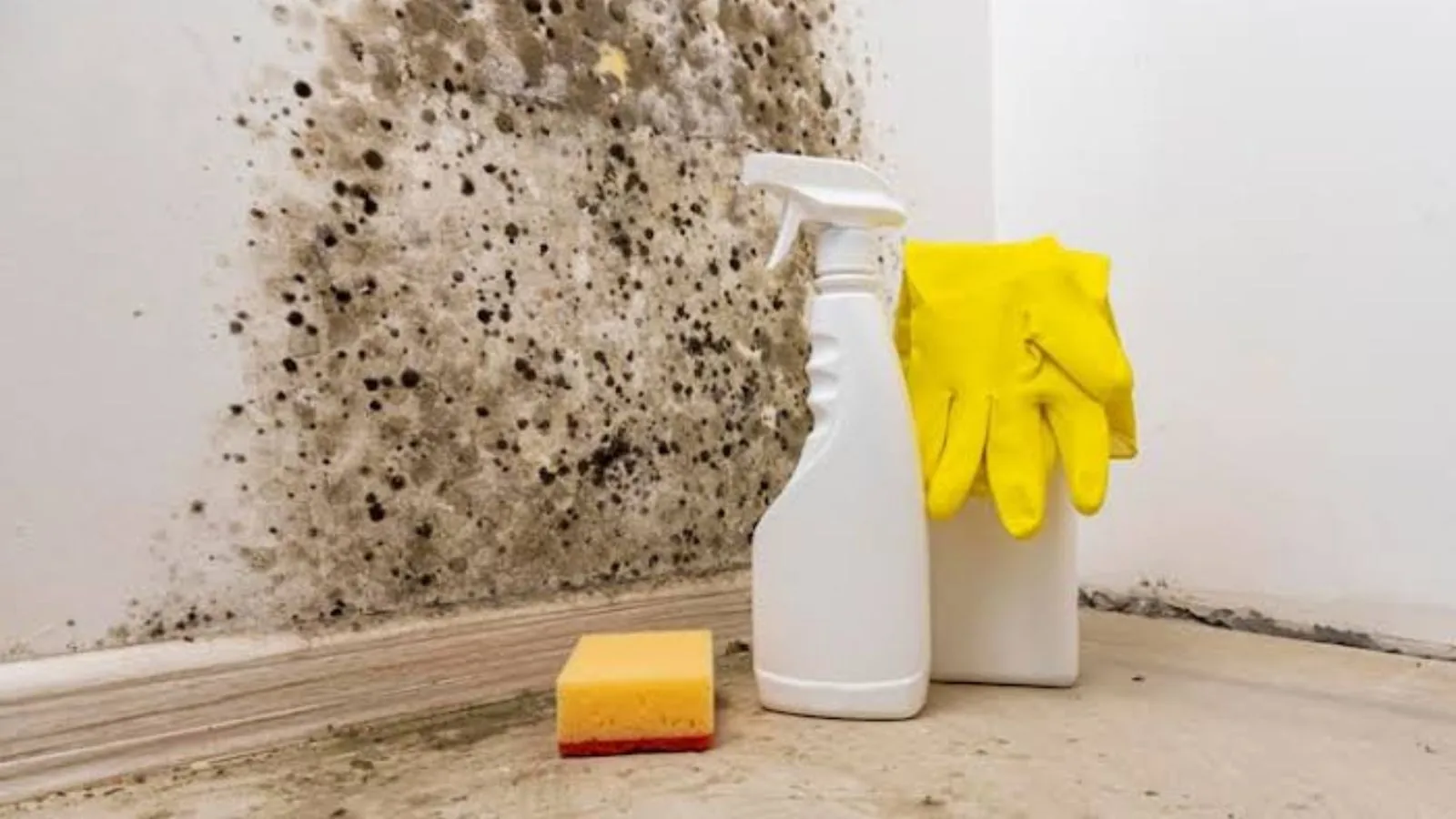
After a leak, the question every homeowner asks is how long they have before mold starts. The EPA advises that wet materials be dried within 24 to 48 hours to limit mold growth. That window is a planning benchmark and not a switch that flips at hour 49, but it explains why quick extraction and drying matter so much.
This guide describes what affects growth after water damage and what to do in the first two days. It does not make health claims. For those, ask a doctor.
Why the window is short
Mold spores are everywhere in indoor and outdoor air. They need moisture and a place to settle, and drywall paper, wood and carpet pad give them one. In warm, humid conditions, growth can start quickly in damp materials. Cooler, drier air and fast drying slow it down.
What affects how quickly growth appears
| Factor | Effect |
|---|---|
| Temperature | Warm indoor air supports faster growth. |
| Humidity | High humidity keeps materials damp longer. |
| Material | Paper-faced drywall, pad and ceiling tile are especially vulnerable. |
| Airflow | Still air in closets and wall cavities holds moisture. |
| Water type | Contaminated water adds nutrients. |
The first 48 hours
Stop the source
Shut off the water or cover the roof opening so no more reaches the structure.
Remove standing water
Extraction lifts bulk water and starts the clock on drying.
Dry with equipment
Air movers and dehumidifiers dry what extraction cannot reach, and moisture readings track progress.
Beyond the first two days, drying still helps. Materials that are caught at day three or four may still be saved if they are dried properly, and an assessor can tell you whether growth has begun. After that, the question moves from drying to assessment and, if necessary, removal.
Things not to do include sealing wet drywall behind paint, running a space heater to dry a wall unevenly, or leaving wet carpet pad in place. Each one hides moisture and gives growth time.
A local note for Edgewater homeowners
In a coastal climate with warm temperatures for much of the year, the 24 to 48 hour benchmark deserves attention. The National Weather Service recorded 19.02 inches of rain at Edgewater during Hurricane Ian in 2022, and the aftermath of heavy rain is exactly when roofs leak and closets stay damp.
Atlantic hurricane season runs from June 1 to November 30. If your home takes on water in that window, call for extraction and drying right away, and keep a record of when you called.
What to do if you already see growth
Do not scrub it dry or disturb it with a vacuum. Close the door to the room, fix the moisture source and call a licensed mold assessor if the area is larger than a small patch. Florida licenses mold assessors and remediators, and a protocol should come before large removal work. Our mold remediation page explains what to expect.
A realistic timeline for the first week
| Time since the water | What is usually happening |
|---|---|
| First day | Surface water soaks drywall, pad and wood. Extraction and drying should start. |
| Days two and three | The EPA window for drying closes. Damp materials become more favorable to growth. |
| Days four to seven | Visible growth may begin in wet, warm, still areas such as closets and wall cavities. |
| After a week | Established growth is more likely and assessment becomes sensible. |
These are general patterns. Conditions in a particular house can speed or slow them, and no timeline should be read as a promise.
Places growth hides after a leak
- Behind baseboards and under vanity cabinets.
- Inside wall cavities next to a leaking pipe.
- On the back of drywall in a closet against an exterior wall.
- Under carpet pad on a concrete slab.
- Above a stained ceiling in the attic.
What speeds drying when you cannot reach a crew
- Run the air conditioner on a cool setting to pull humidity from the air.
- Set box fans to blow across wet surfaces, not into the room at large.
- Pull furniture away from wet walls and lift skirts off the floor.
- Remove wet rugs and pad, and hang them in a ventilated area.
- Open interior doors and closet doors so air can circulate.
These steps help until equipment arrives. They do not replace drying readings, and they do not mean the structure is dry.
Write down the time you first saw water and the time equipment was set. Those two entries anchor your timeline and help an adjuster or an assessor judge whether drying began within the window the EPA describes.
Standards and sources
The 24 to 48 hour benchmark comes from the EPA's guidelines on mold and moisture, and drying practice follows the ANSI/IICRC S500 standard.
Drying comes first. See water extraction for the first step and the nearby towns of Scottsmoor and Mims for where else we work.
Common questions
No. It is a benchmark from EPA guidance. Growth depends on the conditions and the material.
Remove standing water, lift rugs and belongings, run the air conditioner and use fans for air movement while you wait.
Clean-water losses caught quickly can often be dried in place. Soft or swollen board is usually replaced.
Usually not. Drying matters more. Testing is for hidden growth, sales or disputes.
No. For health concerns, talk to your doctor.