
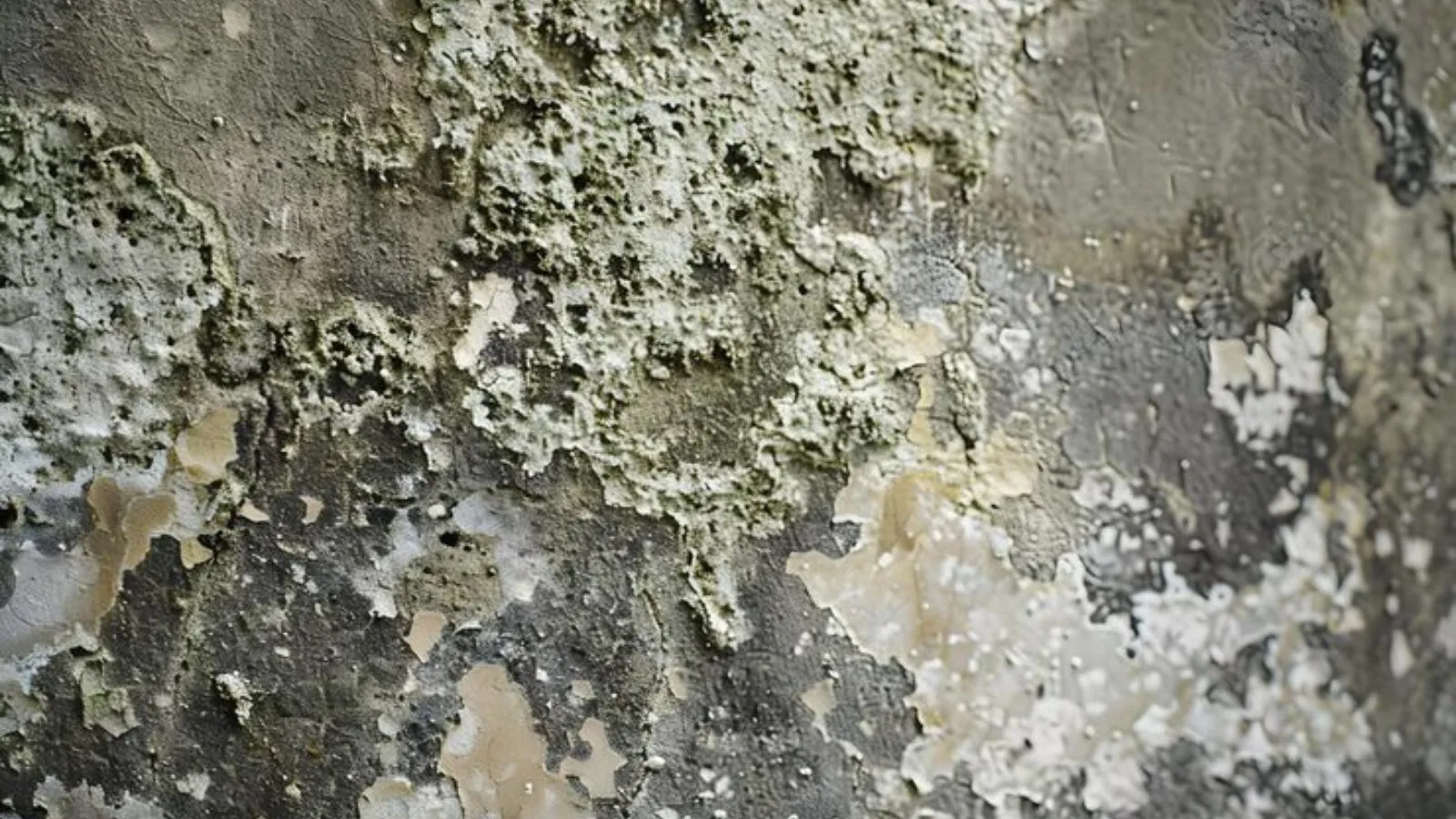
Mold coverage is one of the most variable parts of a homeowners policy. Some policies cover mold that results from a covered water loss, some cap the payment at a small amount and some exclude mold altogether unless an endorsement is added. The language in your own policy decides.
This guide describes how mold coverage commonly works and what documents help, without giving a verdict on any one policy. For that, read your policy and talk to your agent.
The usual structure
| Scenario | How policies often treat it |
|---|---|
| Mold after a sudden covered water loss | Sometimes covered, often with a sublimit. |
| Mold from long-term leaks or humidity | Commonly excluded. |
| Mold from a flood | Typically a flood policy matter. |
| Mold from a roof leak caused by wear | Often excluded as maintenance. |
| Mold with a mold endorsement | May provide coverage to a stated limit. |
A sublimit is a cap that applies only to mold. It may be lower than your overall limit, and it may include testing and removal. Ask your agent for the number.
Why the water source comes first
Adjusters usually ask where the moisture came from. A mold claim is often a water claim in disguise, and the cause of the water is what decides coverage. That is why prompt drying after a covered loss matters. Mold that appears after a loss that was dried quickly and documented well is easier to connect to the original event than mold in a house that sat wet.
Paperwork that helps
- Photographs of the source and the first damage.
- Drying logs and moisture readings from the restoration crew.
- The assessor's protocol and lab results if testing was done.
- The remediator's scope and invoice.
- A clearance report from an independent assessor.
- Dates of every call, visit and notice to the insurer.
Claim timing
Florida Statute 627.70132 requires notice of a new or reopened property claim within one year of the date of loss and of a supplemental claim within 18 months. If mold is found later in a house that had a covered loss, ask your insurer whether it belongs in the original claim or a supplemental one.
A local note for Edgewater homeowners
Florida licenses mold assessors and remediators under Chapter 468, Part XVI of the Florida Statutes. Section 468.8419 separates the two roles, so the company that tests a home is not the one that removes the mold within 12 months. Insurers may ask for licensed work, so confirm licenses before you hire.
Hurricane season runs from June 1 to November 30. After a storm, the paperwork is easier if you document wet materials, call for drying right away and keep records of when each step happened.
Questions to ask your agent about mold coverage
- Does my policy cover mold, and under what circumstances?
- Is there a separate limit for mold, and what does it include?
- Does the limit cover testing, removal and repairs, or only some of them?
- Does coverage depend on a covered water loss coming first?
- What does the policy say about mold that develops after a delay in reporting?
- Is there an endorsement available that raises the limit?
Write down the answers and the name of the person who gave them. Policy language can differ from a verbal summary, so ask for the page reference.
Why speed protects a mold claim
Insurers expect a policyholder to act promptly to dry a covered loss. A claim for mold in a house that stayed wet for weeks invites questions about whether the damage was caused by the original event or by delay. Drying logs show when equipment was set and when readings reached normal.
If you find mold after a loss was closed, tell the insurer in writing and ask how to proceed. Do not wait for a policy renewal or a sale to bring it up.
Do not discard evidence until the adjuster has seen it unless it is unsafe to keep. Photographs, labeled samples of removed material and the assessor's notes can all matter if the claim is questioned.
If your insurer sends its own inspector, offer the assessor's report and the drying logs. Two sets of readings that agree make a dispute less likely, and a mismatch shows early where the question lies. Ask the inspector to put findings in writing, and ask for a copy of any lab report they rely on, so you can compare it with your own paperwork.
Standards and sources
References for this guide include Florida Statute 627.70132, Chapter 468 Part XVI and section 468.8419 of the Florida Statutes, and the ANSI/IICRC S520 standard for mold remediation.
For the service itself, see mold remediation. For the drying that comes before it, structural drying explains the logs. We also serve Scottsmoor and Mims. We are not an insurer or an attorney, and nothing here is coverage advice.
Common questions
It depends on the policy. Some cover mold that follows a covered water loss with a limit, and others exclude it.
A cap on what the policy pays for mold, which may be lower than your overall coverage limit.
Not always, but assessor reports and clearance results help document the claim.
Tell your insurer. Florida allows a supplemental claim up to 18 months after the date of loss under section 627.70132.
A mold assessor licensed by the Department of Business and Professional Regulation under Chapter 468, Part XVI.